Knee & Sports Injury Care
ACL Reconstruction in Los Angeles
You felt a pop, your knee gave way, and now it buckles on stairs or when you turn. A torn ACL rarely heals on its own. Dr. Joe Cooper performs arthroscopic ACL reconstruction so your knee feels steady again — under your weight, on the field, and in daily life.
What an ACL Tear Means
Why a torn ACL needs
more than rest
The anterior cruciate ligament sits in the middle of your knee and keeps the shin bone from sliding forward on the thigh bone. When it tears, the knee loses that check. Swelling and pain usually settle within a few weeks, which is why some people think the injury has healed — then the knee gives way again during a pivot, a cut, or a step off a curb.
A torn ACL cannot be stitched back together with any reliability. Reconstruction replaces the ligament with a graft, either from your own body (hamstring, patellar tendon, or quadriceps tendon) or from a donor. The graft is passed through small tunnels in the bone and fixed in place, then your body grows new blood supply and tissue into it over the following months.
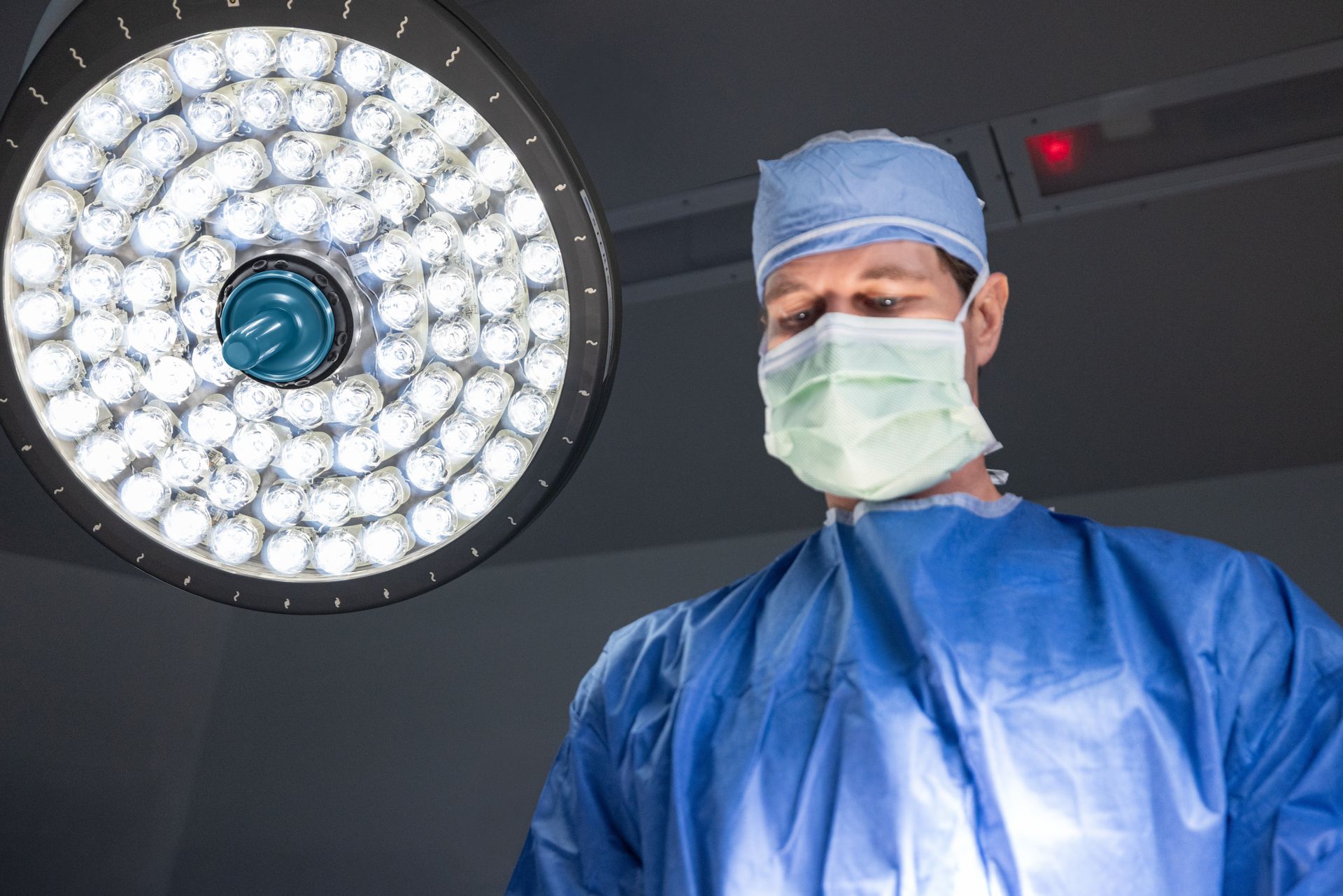
Dr. Cooper performs the procedure arthroscopically through small incisions, using a camera inside the joint. That approach also allows the meniscus and cartilage to be checked and treated in the same setting, since roughly half of ACL tears come with other damage inside the knee.
Not every ACL tear needs surgery. Age, activity level, how unstable the knee feels, and what else is torn all factor in. Your consultation in Los Angeles starts with that question honestly, not with a scheduled surgery date.
Your Path
What ACL treatment looks like
start to finish
Step 01
Consultation and exam
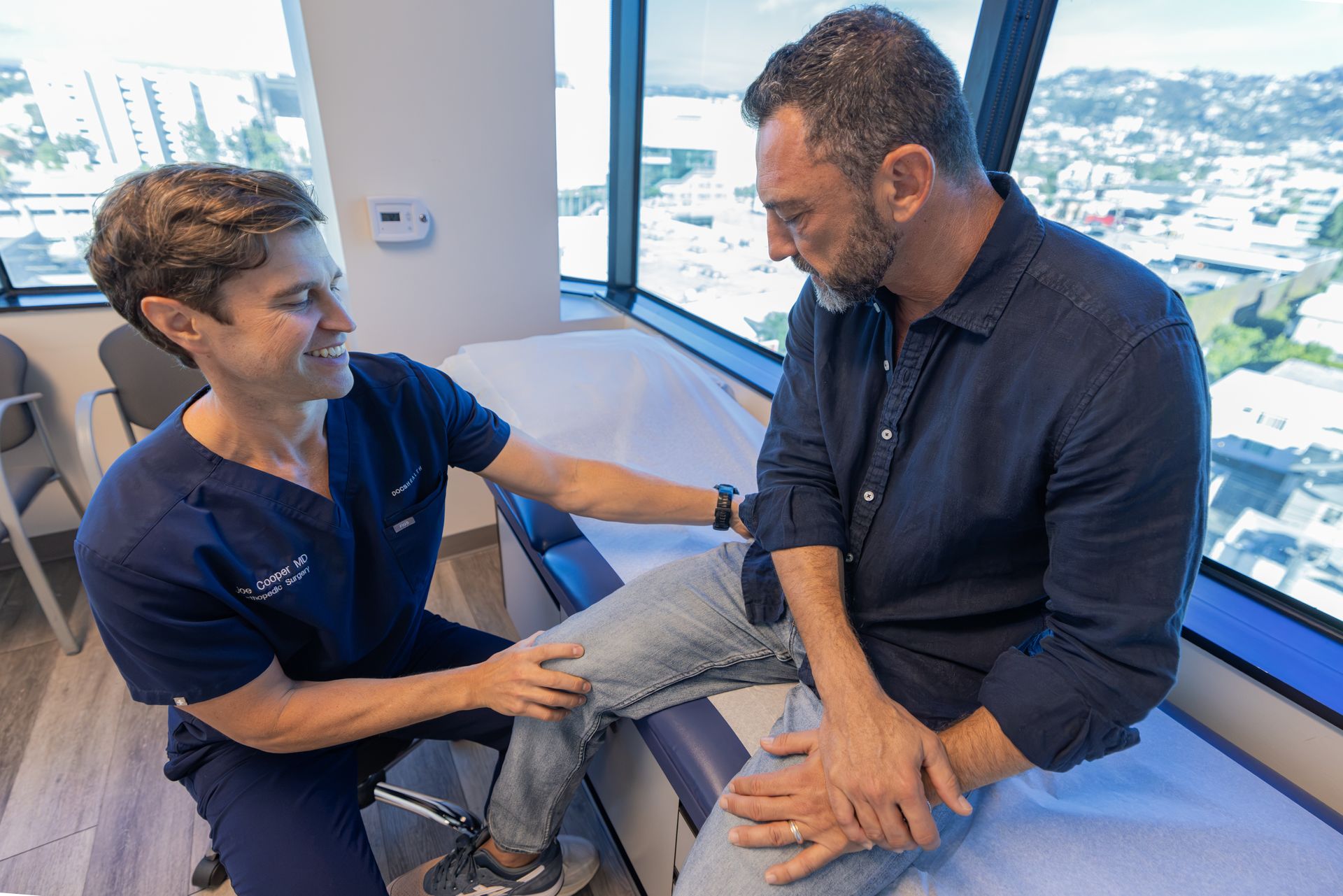
Dr. Cooper examines the knee, checks how much the joint shifts, and asks about the injury, your sport, your job, and what the knee is doing now. MRI images are reviewed together on screen so you can see the tear yourself.
Step 02
Deciding on surgery and graft choice
You'll hear the case for reconstruction and the case against it. If surgery makes sense, we discuss graft options — hamstring, patellar tendon, quadriceps tendon, or donor tissue — and which fits your age, activity, and goals.
Step 03
Pre-surgery knee prep
Going into surgery with a swollen, stiff knee slows recovery. A short course of physical therapy restores motion and quad strength first. We also handle insurance authorization and answer cost questions before you commit to a date.
Step 04
Arthroscopic reconstruction
An outpatient procedure under anesthesia, done through small incisions. The graft is placed and secured, and any meniscus or cartilage damage is addressed at the same time. You go home the same day with a brace and crutches.
Step 05
Early recovery and therapy
Therapy starts within days. Early weeks focus on controlling swelling, straightening the knee fully, and waking the quad back up. Most people walk without crutches within two to four weeks and drive once they can control the leg.
Step 06
Return to sport testing
Before clearing you for cutting and pivoting sports, we check strength side to side, hop testing, and landing mechanics. Timeline varies by person and graft, but returning on strength rather than the calendar lowers re-tear risk.
Why Patients Choose This Practice
Surgeon-led care from
first visit to last rep
ACL reconstruction is a common operation, but the details decide the result — where the tunnels are drilled, which graft is used, what else in the knee gets fixed, and how closely recovery is watched afterward. Dr. Joe Cooper handles those decisions directly and stays involved through rehab rather than handing you off after the operating room.
The practice sees athletes, weekend runners, and people who simply want a knee that doesn't give out at work. Same surgeon, same plan, adjusted to what you actually need to get back to. Our office on W 3rd St. in Los Angeles runs on scheduled appointments Monday through Friday, so visits aren't rushed.
If you're weighing ACL surgery against waiting it out, bring your MRI and your questions. You'll leave knowing which option fits your knee.
Dr. Cooper performs your exam, your surgery, and your follow-ups.
Small incisions, camera-guided repair, and same-day discharge in most cases.
Meniscus and cartilage damage addressed during the same procedure when present.
Return-to-sport clearance based on measured strength and movement, not dates alone.
How We Work
What guides ACL care
here
Surgery only when it helps
Some torn ACLs do well with rehab and activity changes. If that's your situation, you'll hear it.
Plain answers on cost
Insurance coverage, out-of-pocket estimates, and authorization are sorted out before you schedule.
Graft choice is a conversation
Each graft has trade-offs in strength, donor-site soreness, and healing time. You'll understand yours.
Common Questions
Common questions about ACL surgery
Most people walk without crutches in two to four weeks and return to desk work within a week or two. Running usually starts around three to four months. Cutting and pivoting sports generally come between six and twelve months, and that timing depends on your strength testing rather than the calendar alone. Your graft type and any meniscus repair done at the same time can extend the timeline.
Cost depends on your insurance plan, your deductible, the surgical facility, and whether other damage in the knee is repaired during the same procedure. Our office verifies your benefits and gives you a written estimate before anything is scheduled. Call (424) 800-3627 and we can start that check for you.
It depends on how unstable the knee feels and what you need it to do. People who play cutting or pivoting sports, work physical jobs, or have a knee that gives way during normal activity usually do better with reconstruction. Less active patients with a stable-feeling knee sometimes manage well with structured physical therapy. Dr. Cooper reviews your exam and MRI and gives you a straight recommendation either way.
The first three to five days are the most uncomfortable, and that's managed with nerve blocks during surgery, ice, elevation, and medication. Pain usually drops off quickly after the first week. Most patients describe the bigger challenge as the stiffness and the discipline of early therapy rather than the pain itself.
Still Have Questions?
We're Here to Help
Our team is happy to answer any questions you have about treatments, appointments, and what to expect.
Contact UsNo referral required
Next Step
Get a clear answer on your knee
Bring your MRI or we can order one. Dr. Cooper will examine the knee, explain what's torn, and tell you whether reconstruction is the right move. Our Los Angeles office sees patients Monday through Friday, 9am to 4pm.